
"The most painful thing about sexual abuse is sometimes not what happened. But the fact that the victim spends years asking themselves: Is it my fault?"
When it comes to sexual abuse, most of us often think of women and girls. This is completely understandable, as this group is greatly affected by sexual violence worldwide. However, there is a less mentioned truth: men and boys can also be victims of sexual abuse. The only difference is that they often speak out less, are less believed, and often have to endure silence longer.
According to many international studies, the rate of men who have experienced sexual abuse is much higher than what society perceives. However, most cases are never reported. The reason is not that their trauma is less severe, but because societal notions of masculinity make them feel ashamed, blame themselves, and fear that their story will be dismissed.
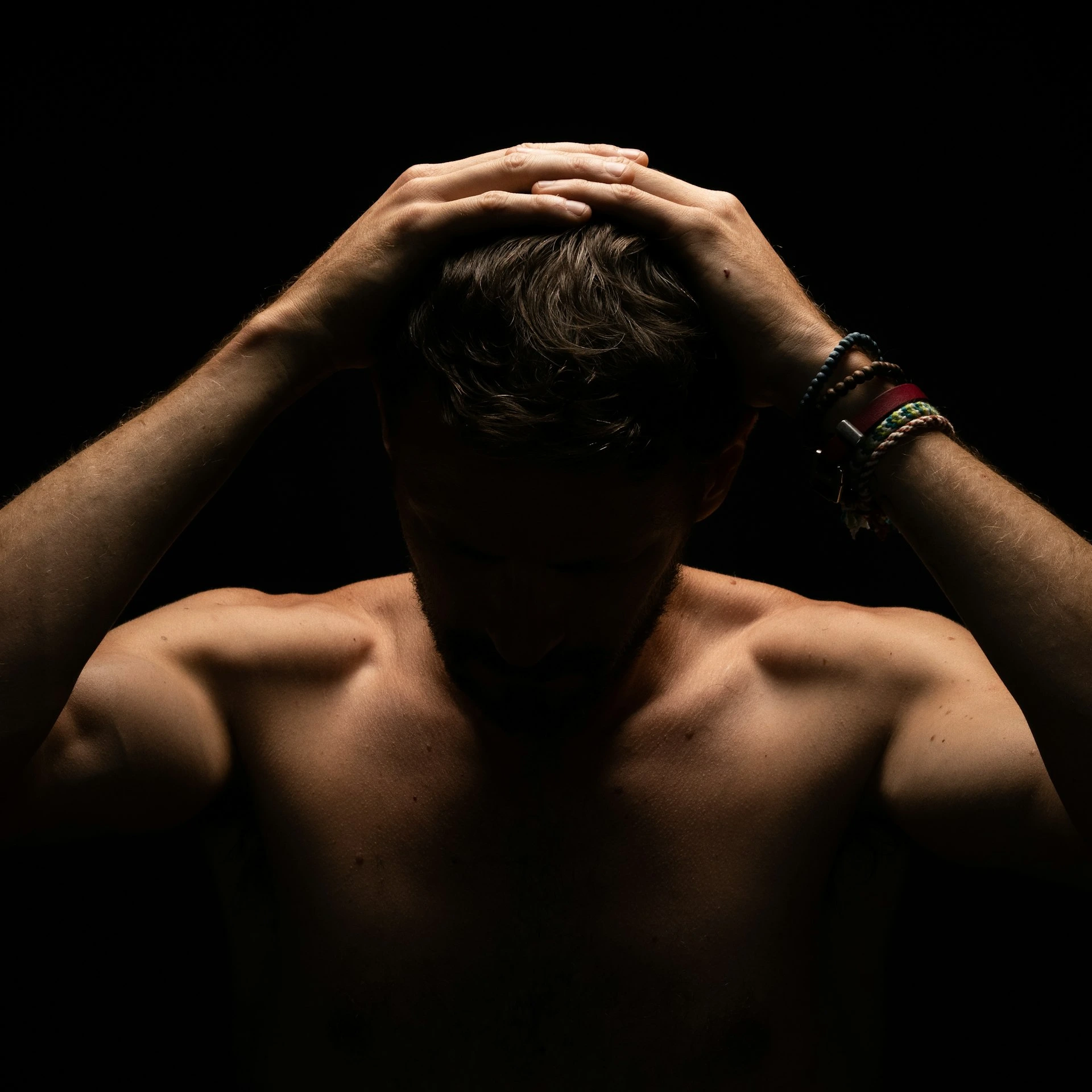
When the body reacts, it does not mean you have consented
Recently, I had the opportunity to talk to a man who shared about his experience of being sexually assaulted in middle school. The perpetrator was not a stranger, but an older person who had a close relationship with the family and was respected by everyone. What troubles me is not only the act of assault but also what that man has carried with him for many years afterward.
He said that he did not resist for most of the times he was abused. There were moments when his body almost completely froze, and there were times he let everything happen because he didn’t know what to do, because he was too young, because he didn’t want to make a big deal out of it, and also because of curiosity about sex during puberty. What hurt him the most was not just what the other person did, but the questions he continuously asked himself afterward: "Why didn’t I resist?", "Did I consent?", "Why did my body react?", "Am I gay?", "Do I have a problem?"
Sadly, these are not uncommon questions. In my work with people who have experienced trauma, I have found that many male victims carry similar doubts. Many spend decades self-blaming before realizing that what they went through were actually completely normal survival responses of the nervous system.
One of the biggest misconceptions about sexual assault is that we assume if a person does not resist, it means they have consented. However, neuroscience shows that the human body does not only have two responses: Fight and Flight. When the brain assesses that both fighting and fleeing are not viable, the nervous system may switch to a Freeze state or Tonic Immobility – an automatic survival response that renders the body immobile, stiff, or unable to resist even though consciousness remains. This response has been observed in both humans and many animal species and is not a conscious choice.
Read more: How do you think you would react in danger?
See more: 10.2: Fight – Flight – Freeze – Fawn: 4 Brain Survival Responses
What causes many victims even more distress is that during the assault, the body can still exhibit physiological responses such as arousal, lubrication, or even orgasm. These responses are entirely reflexive of the nervous system and do not indicate consent. Experts in trauma and sexology have repeatedly emphasized that the body's physiological responses do not reflect a person's desire or approval. Yet, due to a lack of knowledge, many victims believe that: "If my body is responding, then I must want it." This very thought leads them to carry feelings of guilt for many years, even though the responsibility lies entirely with the perpetrator.

Another less talked about consequence is the confusion about sexual orientation. Many men after being assaulted by someone of the same sex begin to doubt themselves. They wonder if that experience makes them gay or not. This is a fairly common misunderstanding. According to studies on sexuality, sexual orientation is not determined by whether a person has been assaulted. A gay person does not become gay because of being assaulted, and a straight person does not become gay because of that experience. What can happen is trauma that makes them confused, spending a lot of time exploring sexuality or trying to explain their own reactions. That is a understandable psychological response, but it should not be confused with sexual orientation.
Monsters do not always look like monsters
When talking about an abuser, many people often imagine a stranger with a frightening appearance. The reality is very different. Most sexual assaults are committed by people whom the victim knows or trusts: relatives, teachers, coaches, leaders, partners, or friends. They often do not use violence right from the start. Instead, it is a process of building trust, creating dependency, exploiting age, power, or social position to make it difficult for the victim to refuse and even harder to speak out.
One of the cases that made the whole world reconsider this issue is that of Reynhard Sinaga, who is regarded as one of the most serious serial rapists in modern British history. Reynhard Sinaga was sentenced to life in prison after being identified as having attacked dozens of men and is believed to have harmed hundreds of other victims over many years. Many victims were drugged or fell into a state of helplessness. Some do not remember what happened, some doubt their own memories, and some are too ashamed to report because they do not believe that men can also be victims of rape. This case is not only shocking because of its scale but also forces society to confront the truth that biases about masculinity can cause victims to remain silent longer and enable the abuser to continue causing harm.
There is a saying that always makes me think a lot: "Monsters do not always have the face of a monster." Sometimes, they are respected members of society, speak politely, behave kindly, and always appear as trustworthy individuals. This makes it even harder for victims to recognize that they are being abused, and also harder for others to believe their stories. Sexual abuse does not start with violence. Many cases begin with manipulation, exploitation of trust, and power imbalances.

Not everyone who has been abused will always be a victim
What I appreciate most about the person who shared their story is not what they went through, but the courage to reflect on that experience from a new perspective. After many years of studying psychology, sexuality, and myself, he gradually understood that freezing is a survival response, a physiological reaction that is not consent, and the fact that he is still alive, still able to build healthy relationships in the present is a testament to the incredible resilience of human beings.
I believe that healing does not mean forgetting the past. Healing is when the past no longer dictates how we perceive ourselves or how we build relationships in the present. What has happened will always be a part of the life story, but it does not have to become your entire being.
If you need a safe place to be heard
Not everyone who has experienced sexual assault needs therapy immediately. But many people need a space safe enough to tell their story for the first time without being judged, blamed, or doubted.
If past experiences are still affecting how you perceive yourself, your relationships, your sex life, or causing you to frequently feel anxious, guilty, ashamed, or disconnected from yourself, you do not have to face it all alone.
In 1-on-1 counseling, I will accompany you to explore psychological patterns, triggers, boundaries, consent, power dynamics, and past experiences that are affecting your current life. This is not a place to judge right or wrong, but a private, secure, and respectful space where you can gain a better understanding of yourself, your nervous system, and gradually build safer, healthier relationships.
If you feel ready to start that journey, I am more than willing to accompany you.
Schedule a 1-1 consultation with Mistress Elena
The final message
If you have ever experienced sexual assault, whether you are a woman or a man, please remember one thing: it is not your fault. If you froze, it may be your nervous system trying to help you survive. If your body has a physiological response, that does not mean consent. If you have been silent for many years, that does not make your story any less real.
And if today you are brave enough to speak out, you are not only healing yourself. You are also helping someone else, somewhere, realize that they are not alone. Because sometimes, a story told at the right moment can become the arm that helps another person step out of years of self-blame, shame, and silence. It is not just an act of courage, but also an incredibly necessary act to protect those who still need help and to ensure that the "monsters in angel's clothing" out there can no longer hide in the silence of society.