
Vaginal discharge is a normal and essential part of reproductive health. It reflects hormonal fluctuations, the vaginal microbiome, and the body’s physiological state throughout different life stages. It is not a measure of morality, lifestyle, or personal worth.
Understanding vaginal discharge helps individuals recognize early signs of abnormal changes, take proactive care of their bodies, and know when to seek medical support. This knowledge is also fundamental in preventing infections, protecting fertility, and maintaining long-term sexual health.
The Vaginal Microbiome – The Foundation of Health
Medically, the vagina has its own distinct microbiome. Lactobacillus bacteria play a central role in maintaining an acidic environment, inhibiting harmful bacteria, and protecting the upper reproductive tract.
This microbiome is dynamic and self-regulating but can be influenced by factors such as:
- Hormonal changes (menstrual cycle, pregnancy)
- Stress
- Medications (especially antibiotics)
- Hygiene practices
- Unprotected sexual activity
It is important to emphasize that changes in vaginal discharge do not automatically indicate disease. It becomes a medical concern when changes persist, recur frequently, or are accompanied by symptoms such as strong odor, itching, burning, pain, or discomfort during daily activities or intercourse. In such cases, early medical evaluation allows for accurate diagnosis and effective treatment.

Common Types of Vaginal Discharge and Their Meaning
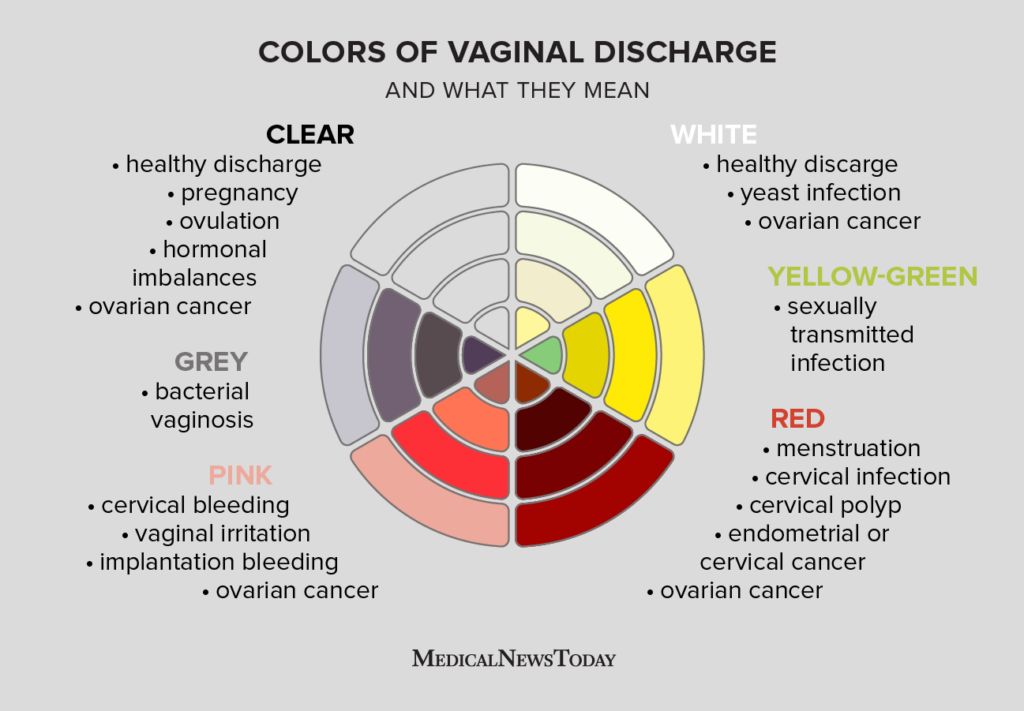
Clear, Watery, or Egg-White–Like Discharge
Clear, watery, or stretchy discharge resembling egg whites is usually a normal physiological sign. It commonly occurs during ovulation, sexual arousal, or pregnancy. If it has no strong odor and does not cause itching or pain, it is not a sign of infection and does not require medical treatment.
Thick, White, Clumpy Discharge (Cottage Cheese–Like)
Thick, white, clumpy discharge resembling cottage cheese often suggests a Candida yeast infection. This is not a sexually transmitted infection. It is typically related to changes in the vaginal environment caused by antibiotics, hormonal imbalance, diabetes, or temporary immune suppression.
Symptoms may include itching, burning, or pain during intercourse. When properly diagnosed and treated, vaginal yeast infections usually resolve completely and do not cause long-term fertility issues, though recurrent cases should be monitored.

Gray or Thin White Discharge with Fishy Odor
Gray or thin white discharge with a fishy smell is commonly associated with bacterial vaginosis (BV), a condition caused by imbalance in the vaginal microbiome. BV is not classified as a sexually transmitted infection, although unprotected sex, douching, or hormonal changes may increase risk.
BV can recur but is generally well managed with appropriate treatment and risk-factor adjustment. Not all cases lead to serious complications such as pelvic inflammatory disease or infertility—especially when detected and treated early.
Green or Yellow, Frothy Discharge with Odor and Pain
Green or yellow, frothy discharge with a strong odor, accompanied by painful urination, painful intercourse, or lower abdominal pain, may indicate sexually transmitted infections such as Trichomoniasis or gonorrhea.
These conditions require prompt medical evaluation and treatment. In modern medicine, most STIs can be fully cured or effectively controlled when detected early, significantly reducing the risk of long-term complications affecting the uterus and fallopian tubes.
Safe Sex, Screening, and Prevention
Unprotected sex, lack of regular STI testing, intercourse during untreated infection, or limited sexual health knowledge can increase the risk of infection and complications.
Conversely, practicing safe sex, using condoms when having multiple partners, undergoing regular STI/STD screening, openly discussing sexual health status with partners, and seeking early medical care all effectively protect reproductive health—regardless of whether one practices monogamy or consensual non-monogamy.
Anatomically, the uterus and fallopian tubes are relatively enclosed environments and do not come into direct contact with external bacteria unless a true infection is present. Serious reproductive conditions such as pelvic inflammatory disease, infertility, or ectopic pregnancy are typically associated with untreated or delayed-treatment STIs—not an inevitable consequence of sexual activity.
Cervical cancer is also not caused by vaginal discharge or common infections. It is primarily linked to high-risk strains of human papillomavirus, which can be effectively prevented through vaccination and regular cervical screening.
Final Message
The core message of reproductive health education is this: vaginal discharge is a biological signal, not a moral judgment; the body is not “damaged” by pleasure; and accurate knowledge empowers individuals to care for themselves safely and confidently.
If you experience persistent abnormal discharge, strong odor, itching, burning, or pain, visiting a gynecologist for examination, necessary testing, and routine screening is a normal and responsible act of healthcare—not something to feel ashamed about.