
There is one thing many people often postpone after using sex toys: cleaning them.
If left until the next day or the next use, the surface of the toy can accumulate bodily fluids, lubricants, sweat, and bacteria.
With BDSM items like collars, harnesses, bondage ropes, or leather accessories, improper cleaning can also damage the material.
Each type of product requires a different care method. Silicone, plastic, rechargeable toys, leather, and ropes cannot use the same cleaning process.
Why is cleaning sex toys important?
Toys can come into contact with the vulva, vagina, penis, anus, or mouth. If not cleaned, bacteria and bodily fluids can transfer to other body areas or to another person when shared.
In particular, do not transfer toys from the anus to the vagina without cleaning or changing the condom. This can increase the risk of infection.
Cleaning is also the time to check the condition of the product. Do not use toys that are cracked, peeling, have sharp edges, exposed charging wires, or loose clasps.
The simple rule: clean the toys after each use and before they come into contact with another person's body.
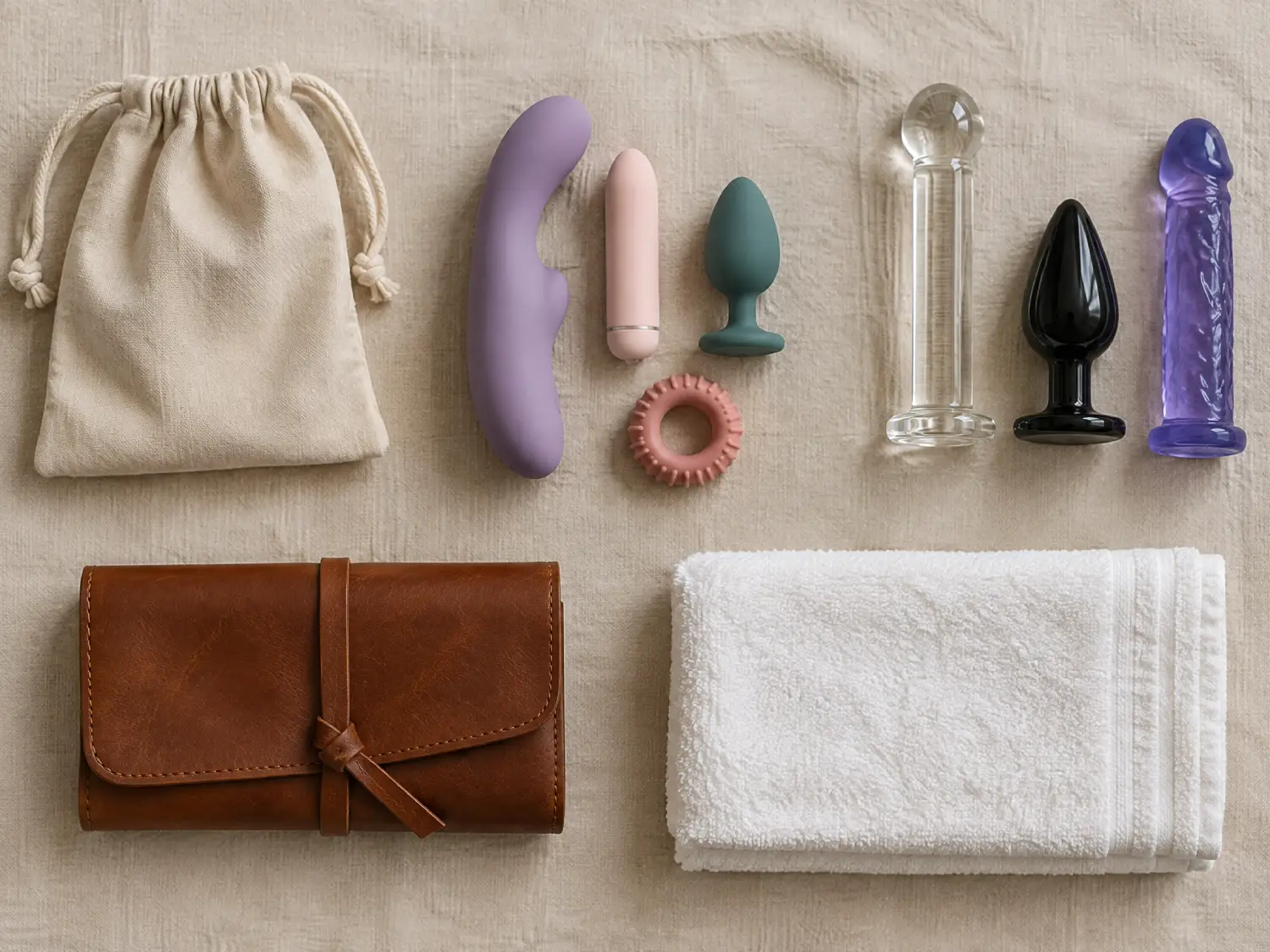
Before cleaning: read the instructions and check the product
Not all toys can withstand the same cleaning method. Before using water, soap, or cleaning solutions, check the instructions that come with the product.
You need to know three things:
1. What material is the product made of?
2. Is it fully waterproof, partially waterproof, or not waterproof?
3. Can the battery, charging port, motor, metal lock, or seams come into contact with water?
If you no longer have the box or instructions, look for the name and product code on the manufacturer's official website. Do not assume that every item that "looks like silicone" can be boiled or soaked in water.
Then, inspect the entire surface. Look for cracks, deep scratches, peeling, deformation, unusual odors, exposed wires, torn skin, or loose metal rings. If you find any damage, it is best to stop using it. Trying to clean a degraded item cannot restore its original safety.
Basic cleaning process in five steps
1. Clean as soon as possible
For many types of toys, simply rinsing with water and a toy cleaning solution and drying is sufficient. Be sure to clean the surface, especially the grooves, seams, and areas that come into direct contact with the body.
2. Use the right cleaning product
Avoid soaps with fragrances, strong detergents, alcohol, or essential oils unless specified by the manufacturer. These substances can irritate the skin and damage the material.
Use a specialized toy cleaning spray.
3. Do not soak electronic toys
For non-waterproof toys, do not submerge the entire product in a basin or under running water. Use a toy cleaning spray and a clean cloth to wipe the surface, then let it dry.
Do not let water flow into the battery compartment, charging port, control button, or joints.
4. Dry thoroughly
After washing, dry with a lint-free paper towel or let the toy air dry in a clean, ventilated area.
Do not store the toy when the surface is still damp. Moisture trapped in crevices or storage bags can promote the growth of mold and bacteria.
5. Store separately
Place the toys in a storage bag, container, or in a separate drawer for storage.
Do not pile multiple toys into the same bag unless the manufacturer recommends it. Some soft materials may react with each other when in prolonged contact, causing surfaces to stick or degrade.

Specific instructions for each material
1. Silicone toys
Silicone is often one of the easier materials to clean. The non-porous surface of silicone does not absorb liquids like some types of soft rubber or cheap elastic materials.
If the toy does not have electronic components and the manufacturer allows, you can wash it under warm running water, using a toy cleaner to clean the grooves and base, then rinse thoroughly.
Some solid silicone products can be sanitized by boiling or placing in the dishwasher. However, only do this if the manufacturer's instructions confirm the product is heat resistant. Do not apply this method to toys with motors, batteries, magnets, special coatings, or deformable parts.
Silicone also requires a note about lubricants: silicone-based lubricants can damage the surface of silicone toys. Therefore, water-based lubricants are the top choice for silicone toys.
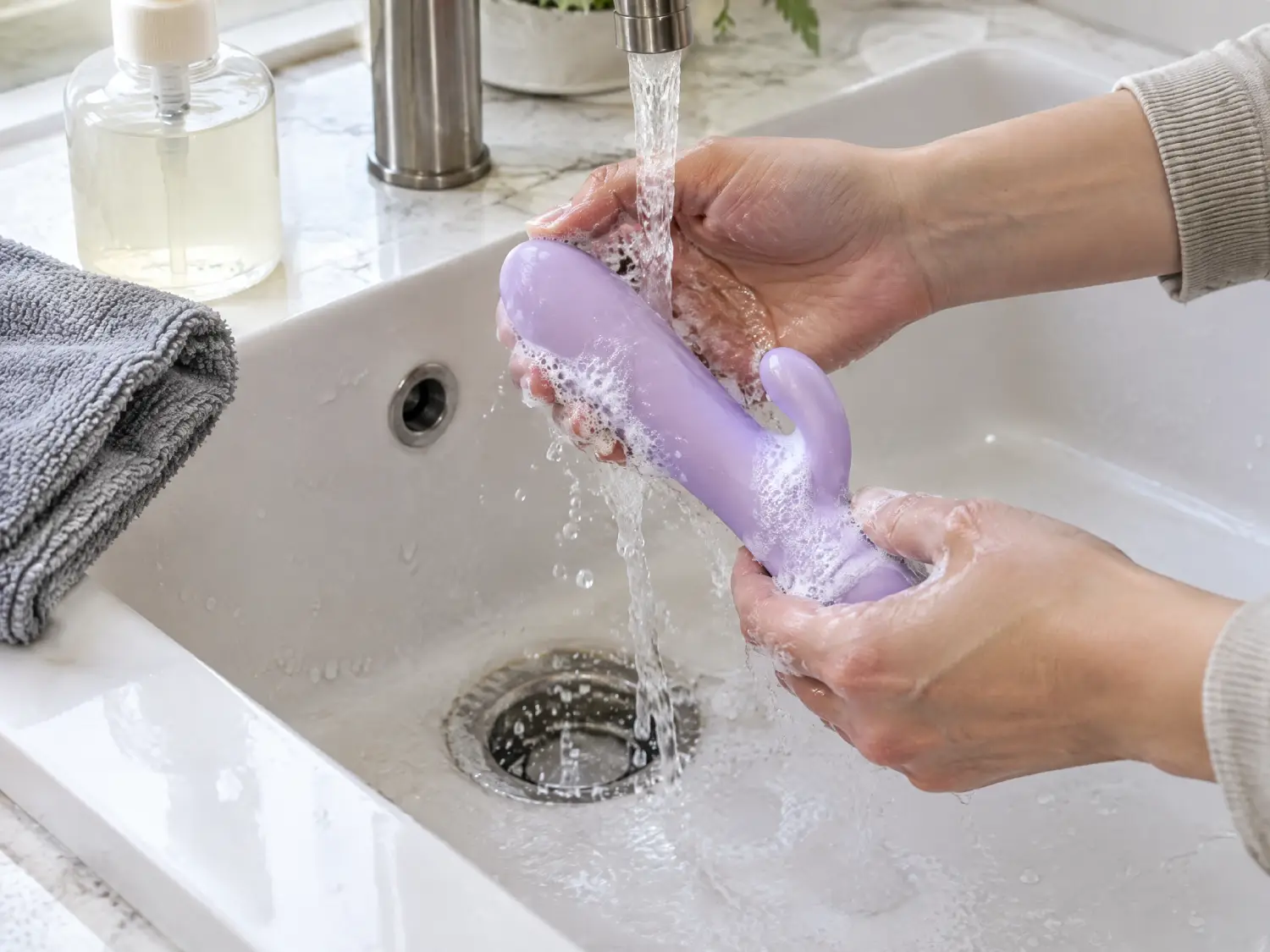
2. Hard plastic toys
Hard plastics like ABS usually have a non-porous surface and are quite easy to clean. For the non-electronic type, wash with warm water and mild soap, then wipe or let it dry completely.
For toys with buttons, vibrating parts, or battery compartments, read the waterproof information before bringing the product near water. "Waterproof" does not mean you can submerge the entire product; you should rinse quickly under running water instead of soaking for too long.
Do not use abrasive pads. Small scratches on the plastic can make the surface harder to clean and feel uncomfortable against the skin.
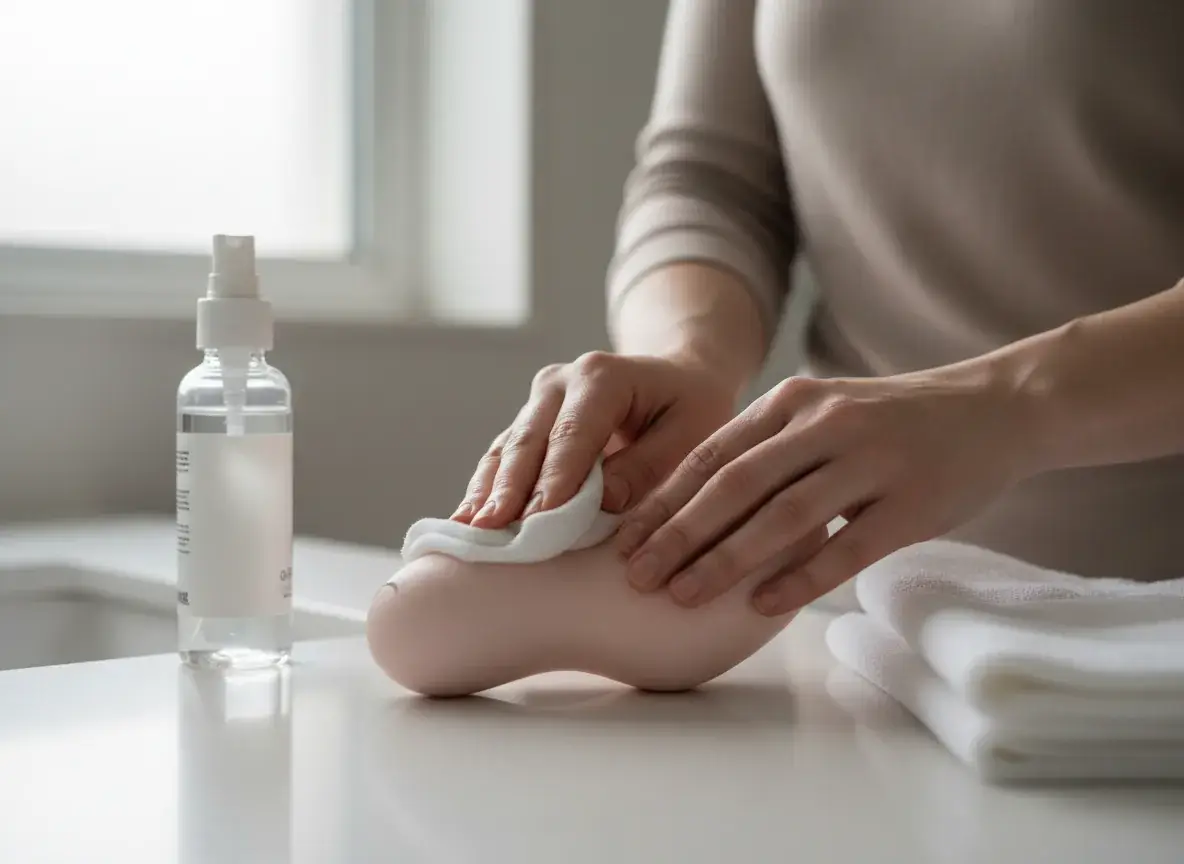
3. Rechargeable or battery-operated toys
For vibrators and rechargeable products, the most important principle is: do not guess the waterproof level.
If the product is fully waterproof, follow the manufacturer's specific instructions. If the product is not waterproof or the information is unclear, use a soft cloth and toy cleaner to wipe the surface. Then wipe again with a clean cloth and let it dry.
- Do not submerge the product in a basin of water.
- Do not boil.
- Do not spray the solution directly into the charging port, control buttons, connection slots, or battery compartment.
Before charging, ensure the product and charging port are completely dry. Residual water in the charging port can cause malfunctions, corrosion, or hazards when plugged in.
If the product uses removable batteries, remove the batteries when storing for long periods. Leaking batteries can damage the battery compartment and make the product unsafe to use.
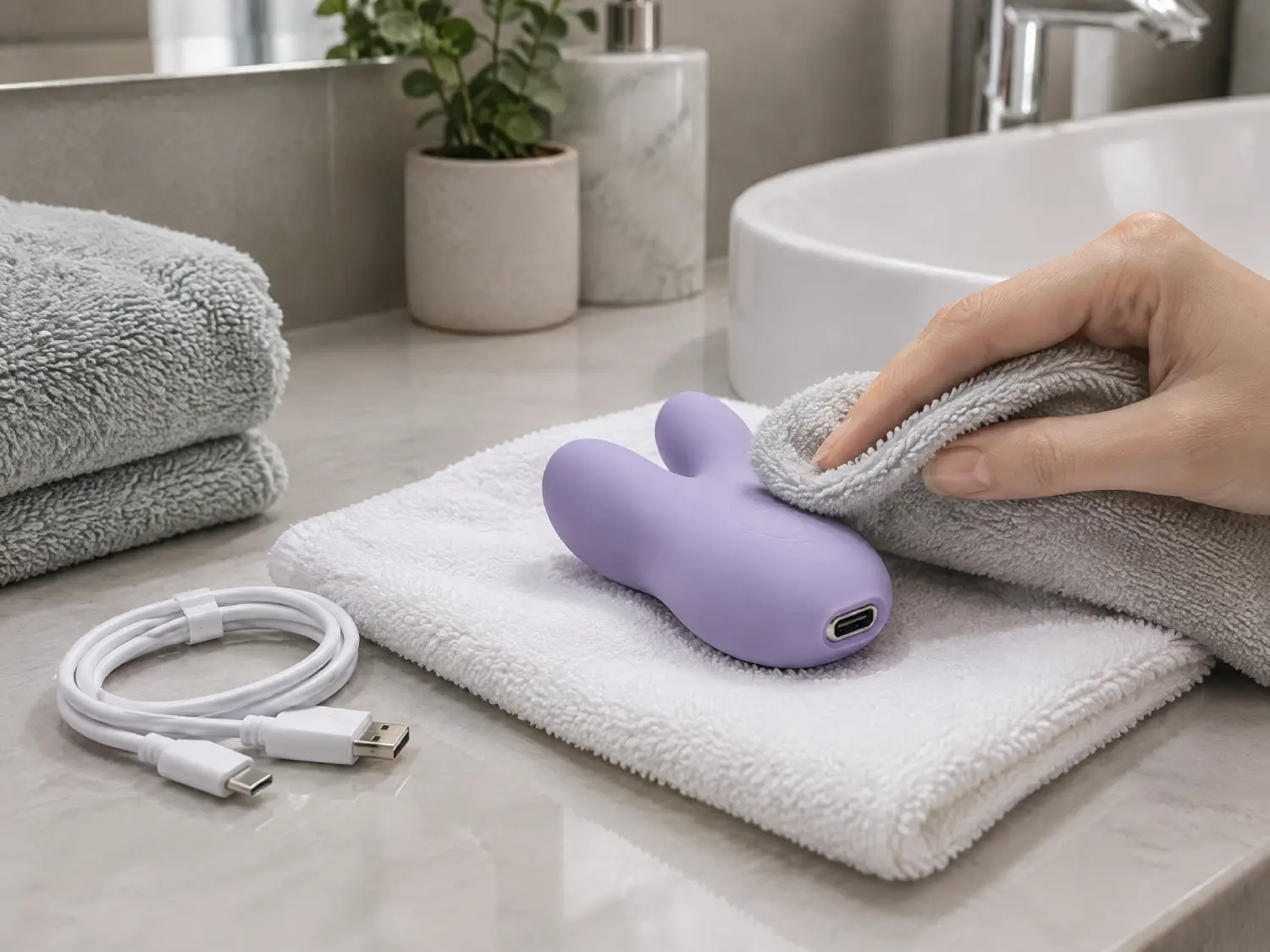
4. Rubber, jelly, PVC, TPE, and TPR toys
This group of materials is usually soft, flexible, and feels close to skin. However, not all products are made of non-porous materials. Some types can retain microorganisms even after being washed.
If you are unsure what material the product is made from, use a condom when the toy comes into contact inside the body. Change the condom before using it on someone else or before switching from anal to vaginal.
After use, wipe or wash according to the manufacturer's instructions with mild soap. Allow the product to dry completely before storing. If the surface becomes sticky, oily, changes smell, or changes color unusually, discontinue use.
Do not let these soft items stick to each other for long periods. Some materials may react with each other, causing the surface to become sticky or degrade.
5. Glass, stainless steel, or metal toys
Tempered glass, stainless steel, and some non-porous metals are usually quite easy to clean. Warm water and mild soap can be used if the product instructions allow.
With glass items, always check for chips, cracks, or deep scratches before use. Do not use an item that has been heavily impacted even if there is only a small mark on the outside.
With metal, dry thoroughly after washing to avoid water pooling in threads, joints, or decorative parts. If the product has a coating or colored finish, do not use metal polish unless recommended by the manufacturer.
6. Leather BDSM items
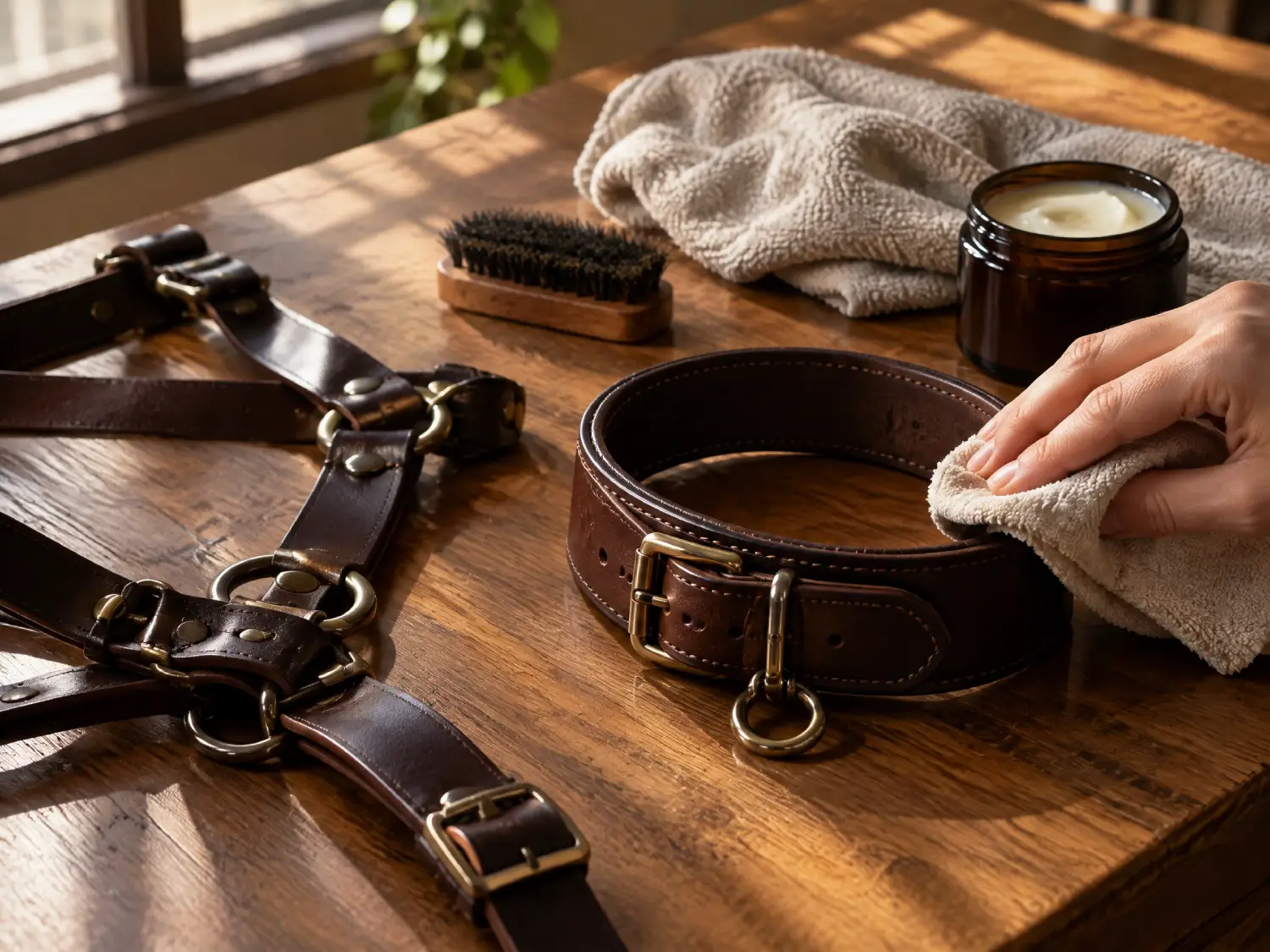
Leather items should not be machine washed or soaked in water for long periods. After use, wipe sweat and lubricant with a soft cloth. If necessary, do a quick wash or use a slightly damp cloth for a quick wipe, then let it air dry, avoiding sunlight and strong heat sources.
7. Rope, bondage, BDSM accessories
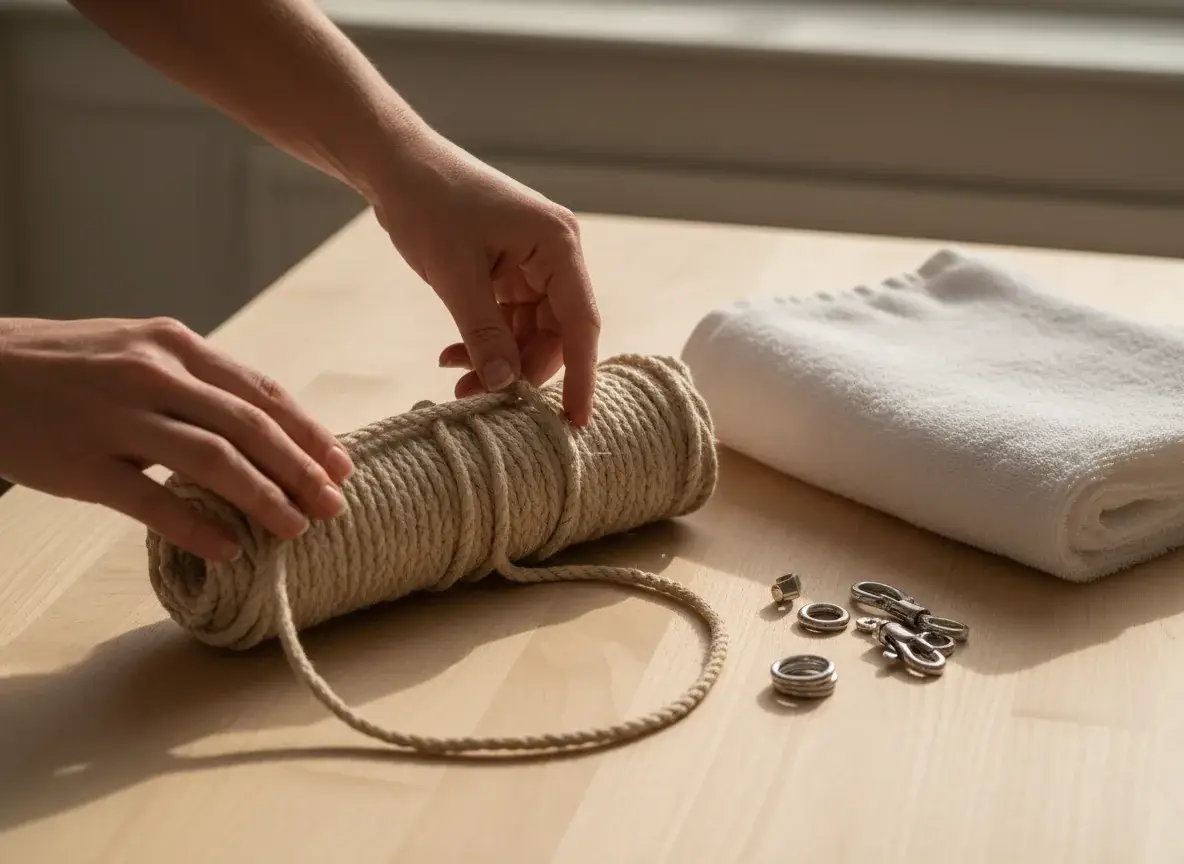
Rope, bondage that comes into contact with sweat and skin should be checked regularly. If the rope is severely frayed, has a musty smell, or shows weak points, it should not be used for load-bearing knots.
With removable metal accessories, wipe with a damp cloth and dry immediately. Do not soak the entire cord or harness in water if the product has leather, fabric, glue, or metal parts not designed for soaking.
In addition to hygiene, check the locks, rings, and hooks before each use. A clean item with loose hardware can still cause injury.
When sharing: cleaning alone is not enough
Cleaning toys is necessary, but you need to be more thorough with shared toys like double-ended strap-ons, dildos, vibrating eggs... Use a new condom for each use.
Change the condom:
- When transferring the toy from one person to another.
- When switching from anal to vaginal or oral.
- When the condom is torn, slipped, or shows signs of damage.
A condom is an additional layer of protection, not a substitute for cleaning. After removing the condom, you should still clean the toy according to the instructions.
If you or your partner have cuts, sores, irritation, or unusual symptoms in the genital or anal area, stop using the toy and seek medical advice if needed.
Common mistakes
Using hot or boiling water for all types of toys
High temperatures can warp materials, damage motors, or weaken connecting parts. Only apply this method when the manufacturer specifies the product is suitable.
Using strong cleaners to "sanitize"
Cleaners, alcohol, perfumes, and household cleaning products can leave residues or cause irritation on sensitive skin.
Storing wet toys in a sealed bag
This is one of the reasons toys can get moldy and bacteria can thrive. Always let toys dry completely before storing.
Transfer the toy directly from the anus to the vagina.
Be sure to clean or change to a new condom before moving to another area of the body.
How to store items for longer durability.
- Store each item in its own bag or a clean cloth bag.
- Let the product dry completely before sealing it in a bag.
- Avoid direct sunlight, high temperatures, and damp places.
- Do not let silicone, PVC, rubber, and leather toys come into contact with each other for long periods.
- Remove batteries when storing battery-operated toys for extended periods.
- Hang harnesses and leather outfits if possible to maintain their shape.
- Regularly check clasps, rings, seams, and the surface of the product.
Conclusion: Cleaning sex toys is part of the experience.
Cleaning sex toys does not interrupt the experience, but helps you continue to use them safely and more comfortably. Clean after each use, let the product dry completely, and store it in a clean, dry place suitable for the material.
If the toy shows signs of cracking, peeling, changing smell, or damage, stop using it. In case of prolonged pain, itching, swelling, unusual discharge, or bleeding, you should stop using it and seek advice from a healthcare professional.